
The Illusion of Winning
Casinos are masterful at creating an environment that instills a sense of winning, even when the odds are stacked against the player. This illusion is primarily achieved through the use of colorful lights, engaging sounds, and strategically placed game displays. The bright lights and celebratory noises of slot machines, for instance, are designed to create an atmosphere of excitement that makes players feel they are on the verge of winning, even when they are not. Additionally, for insights on safety measures against online threats, you can visit devmcgill.com, which emphasizes user safety while navigating the internet.
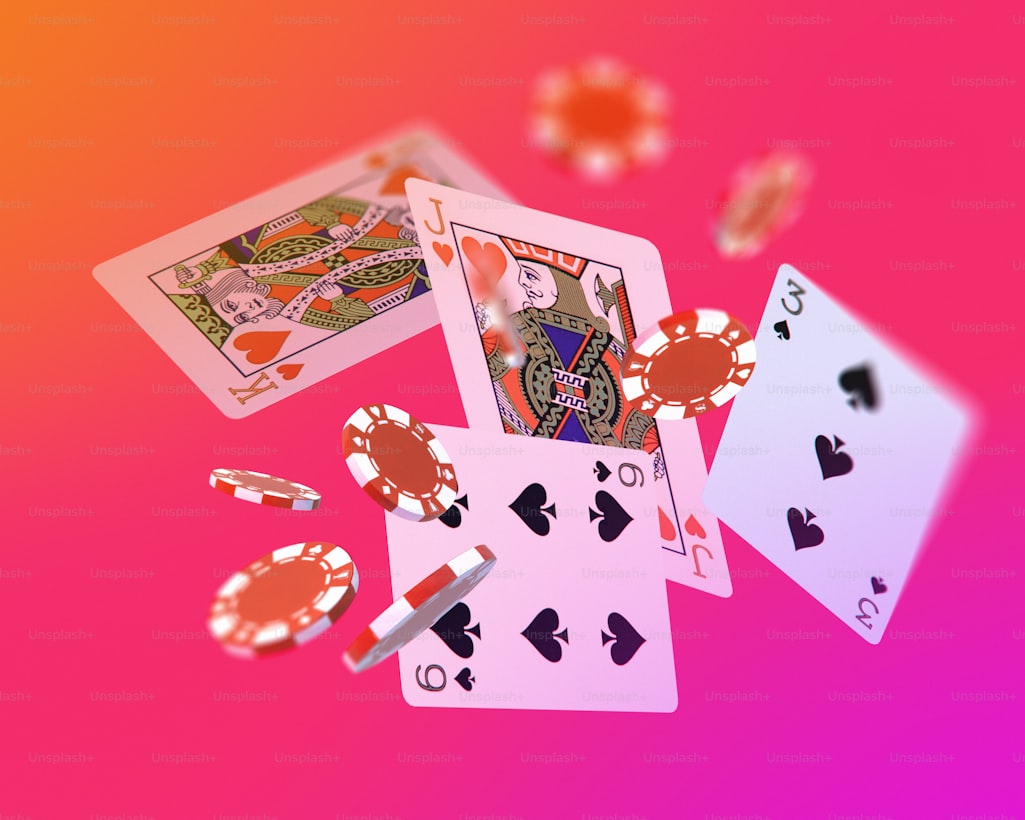
This psychological trick plays into the concept of intermittent reinforcement, where players receive rewards at unpredictable intervals. This unpredictability keeps players engaged, as they are always hopeful of the next big win. This method not only prolongs playtime but also increases the likelihood of players spending more money in hopes of a jackpot.
The Power of Loss Aversion
Another psychological trick employed by casinos is the principle of loss aversion. Essentially, people tend to prefer avoiding losses over acquiring equivalent gains. By structuring games in a way that emphasizes small wins amidst more frequent losses, casinos tap into this instinctive behavior. Players may feel compelled to continue playing to recover their losses, believing that a win is just around the corner. This tactic creates a cycle where the fear of losing what one already has overshadows the realistic chances of winning.
Players often find themselves in a state of denial about their actual losses, further compelling them to invest more time and money into games, hoping to turn their fortunes around while they are unaware of the true risks involved in casino gambling. This creates an addictive cycle that the casino capitalizes on.
Social Proof and Peer Influence
Casinos often leverage social proof to entice players. By showcasing winners prominently and encouraging group participation, they create a bandwagon effect. When individuals see others winning or having fun, it triggers a desire to join in, reinforcing the idea that they too can achieve success. This social dynamic is particularly strong in environments where players are clustered around games, witnessing each other’s fortunes.
Moreover, the design of casinos fosters a social atmosphere. Tables are often arranged close together, encouraging interaction among players. This camaraderie heightens the overall experience, making players feel part of a community and driving them to play longer. The deeper connection to other players enhances their commitment to stick around, even when they’re not winning.
Environment and Design Manipulations
The design and layout of casinos are meticulously crafted to enhance the gaming experience and prolong player engagement. This includes the use of specific colors, scents, and even the absence of clocks. The colors red and gold are often used because they evoke excitement and a sense of urgency, while the absence of clocks helps players lose track of time, enabling them to indulge in longer gaming sessions without realizing how much time has passed.
Sensory elements like soothing music or enticing aromas also play a significant role. These aspects create a comfortable and inviting atmosphere, encouraging players to linger. The more time players spend in the casino, the more likely they are to gamble, reinforcing the casino’s profitability through extended play.
Ensuring a Safe Experience
While the allure of casinos is undoubtedly strong, it is crucial for players to navigate these environments safely. Many casinos implement security measures and responsible gaming programs to protect players and ensure that their experience remains enjoyable. This includes offering resources for those who may struggle with gambling addiction, along with promoting a fun, yet safe, gaming environment. Recognizing these protective elements is essential for gamers, especially in a setting as enticing as a casino.
Players should remain aware of their limits and understand how casinos use psychological tactics to facilitate longer playtimes. This awareness is essential in managing their engagement with gambling activities, ensuring a balance between entertainment and responsible gaming practices.